We verify and document how fasteners actually perform — on your site, in real conditions, to IS/EN standards. Supply, installation and testing from one team.
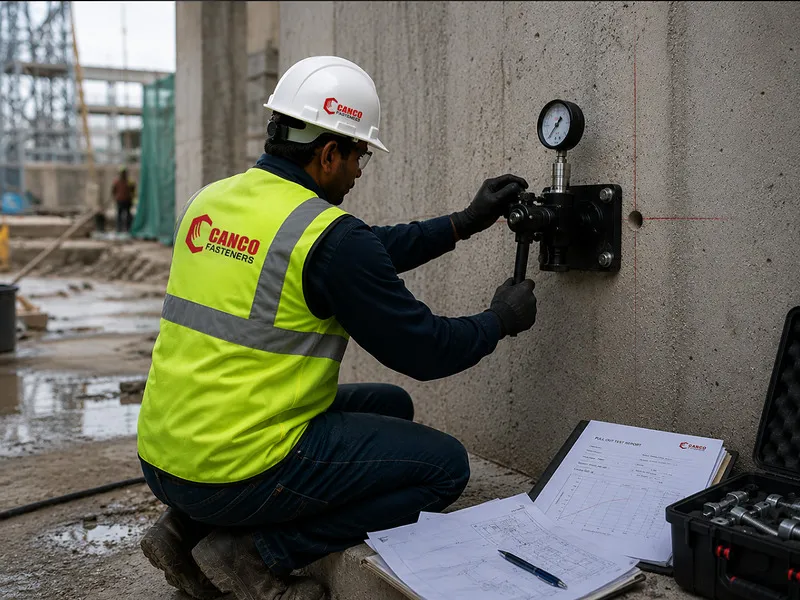
Our specialists carry out pull-out tests, torque checks and installation oversight in live construction environments — then hand you calibrated data, photos and a signed compliance report your engineers and auditors can rely on.
Real engagements across live construction sites — testing, installing and documenting, so buyers can see the service behind the report.
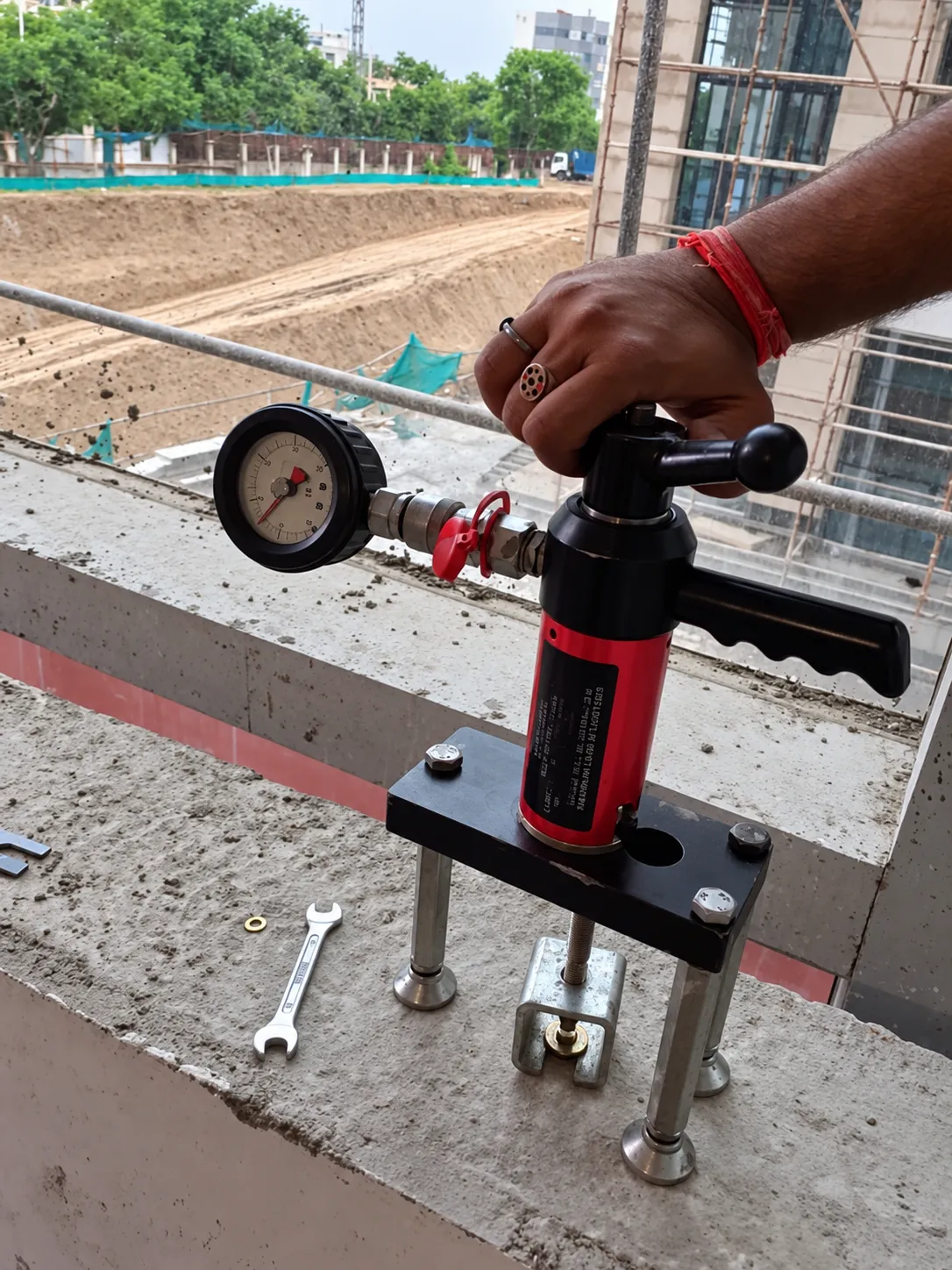
.webp)
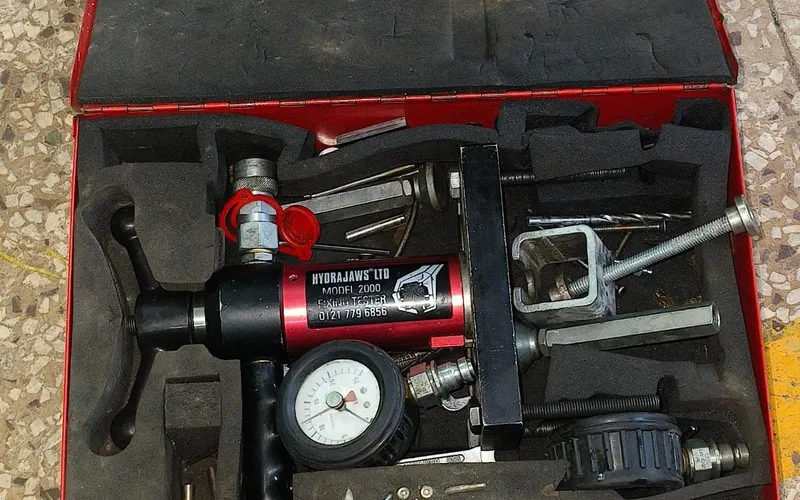
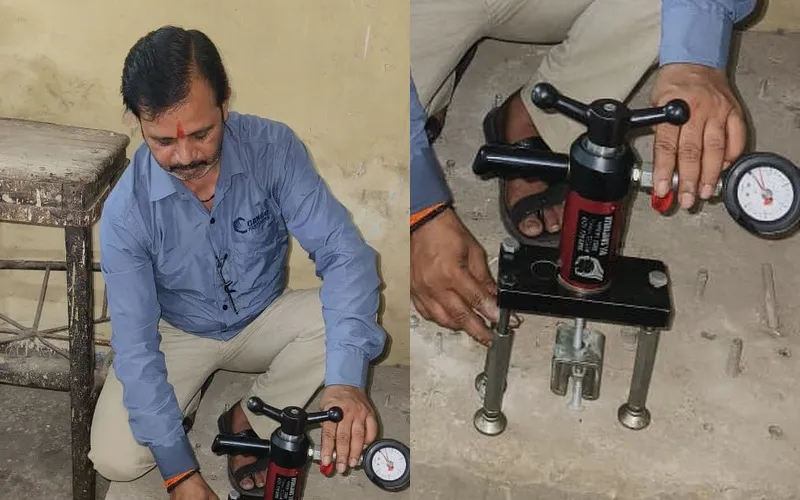
Tell us where the fastener is going and how it will be used. Our engineers — backed by Canco FastenerSelect, our in-house selection tool — recommend the correct anchor or fastener, along with the right grade, coating and installation method for the job. No guesswork, no over-specifying.
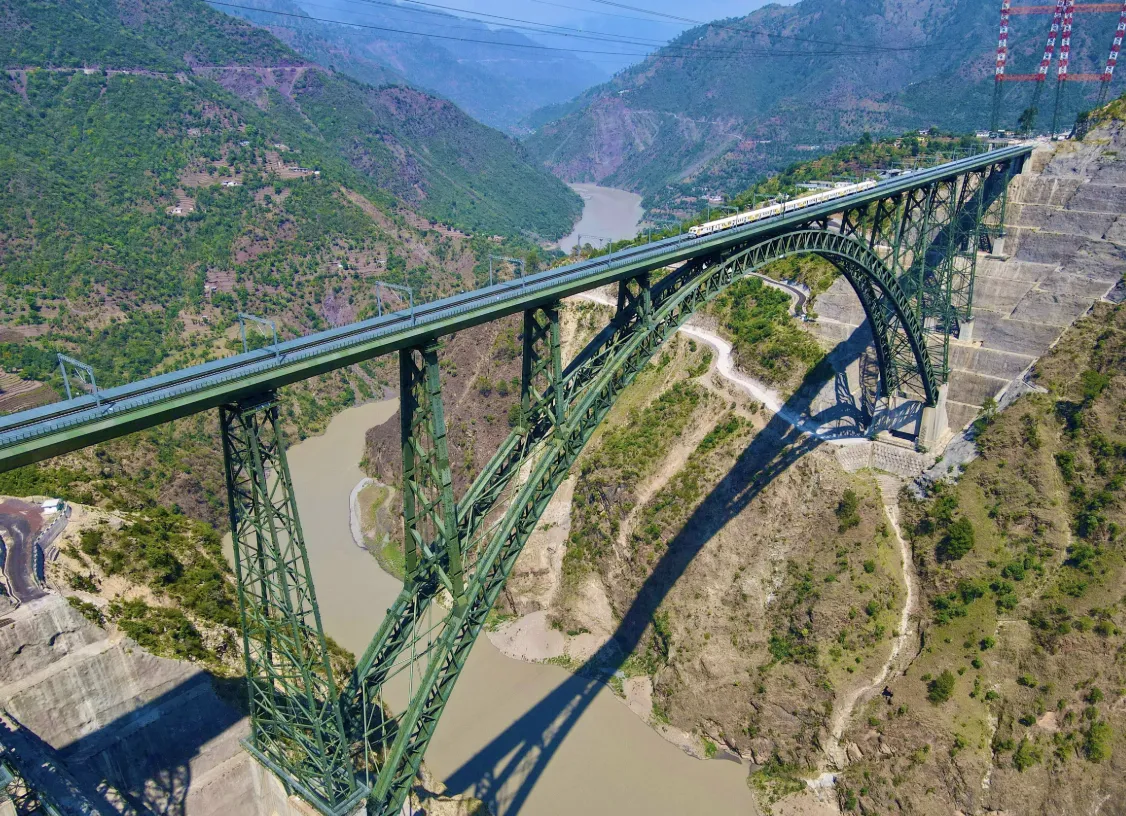
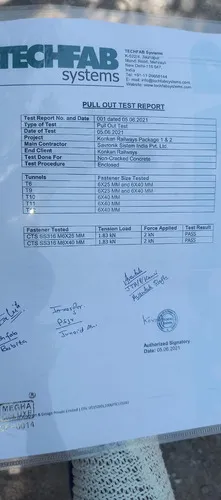
Canco supplied, installed and pull-out load-tested mechanical anchors at extreme altitude, in a seismic, sub-zero zone under the USBRL national project. All tests passed and were fully documented on site.
One of many demanding infrastructure, metro and industrial projects our field team has delivered on.
No opaque pricing. Final scope and cost are confirmed after a brief project discussion — no commitment needed to get a quote.
It can be either. Most compliance work uses non-destructive proof-load testing (typically 1.5× design load) — the anchor stays in place and functional. Destructive failure-load tests are done on sacrificial anchors for design verification. We advise which suits your project.
As a general rule, a minimum of 5% of installed anchors, or at least 3 per anchor type per substrate — whichever is greater. Critical or seismic applications may need more. We work to whatever your engineer or approval authority specifies.
Yes — completely. We can provide a full crew (drilling, fixing, torque tightening) or supervise and certify your existing crew. Our team arrives with all equipment, PPE and calibration certificates.
Yes. Our field testing isn't limited to Canco products — we test any mechanical or chemical anchor to the relevant IS/EN standard, including third-party qualification and verification of existing installs.
A standard visit for 20–30 anchor tests usually takes 4–6 hours including setup, testing and documentation. Larger sites or complex substrates may need a full day or multiple visits. We confirm scope, duration and manpower before mobilising, so there are no surprises.
Within 24 hours: a signed field test report, load-displacement graphs for each anchor, full photographic documentation, a non-conformance log if any anchor failed, and a compliance summary referencing the applicable IS/EN code — all formatted for submission to building authorities.
Delhi NCR — typically within 24 hours. Other metros — 48 hours. Remote or high-altitude sites — 5–7 working days to plan logistics. Emergency callouts are handled on a best-effort basis; contact us directly and we'll advise availability.
Our reports reference the applicable IS codes and include calibration-certificate references for all equipment used, in formats typically required by structural engineers, RERA-regulated projects and EPC quality systems. Share any specific authority format and we'll tailor the report accordingly.
Tell us your anchor type, substrate, number of tests and location — we'll come back with a scoped quote, usually within 4 business hours.