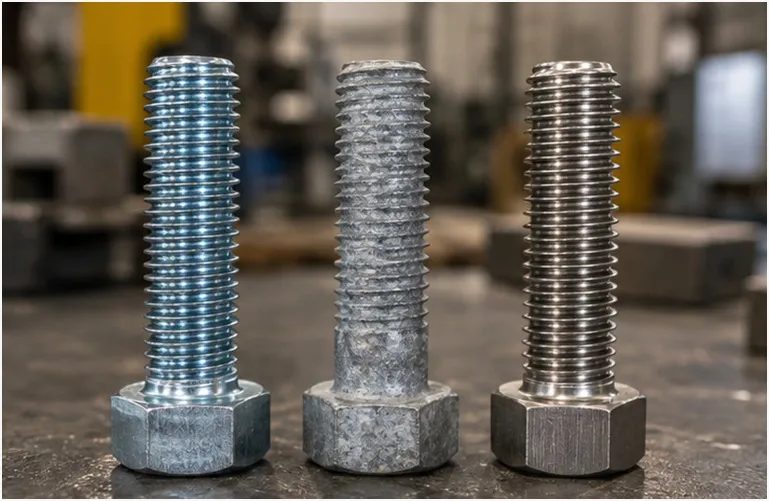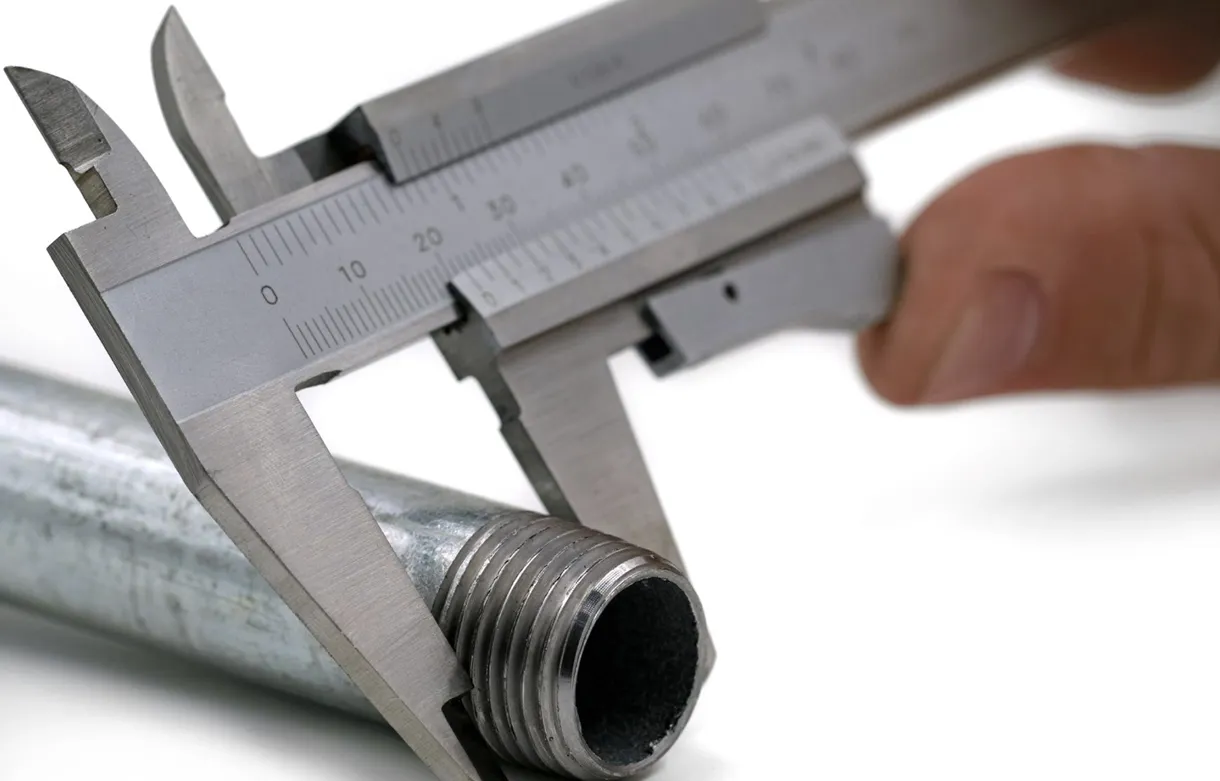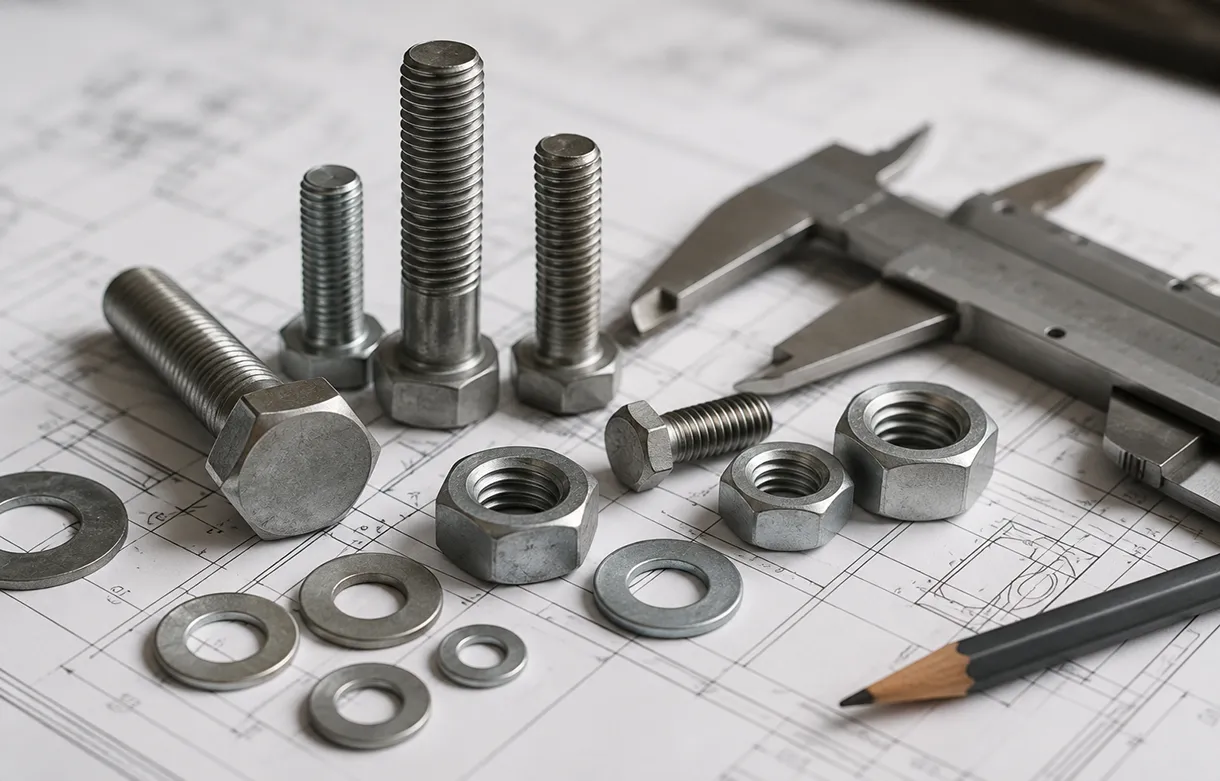
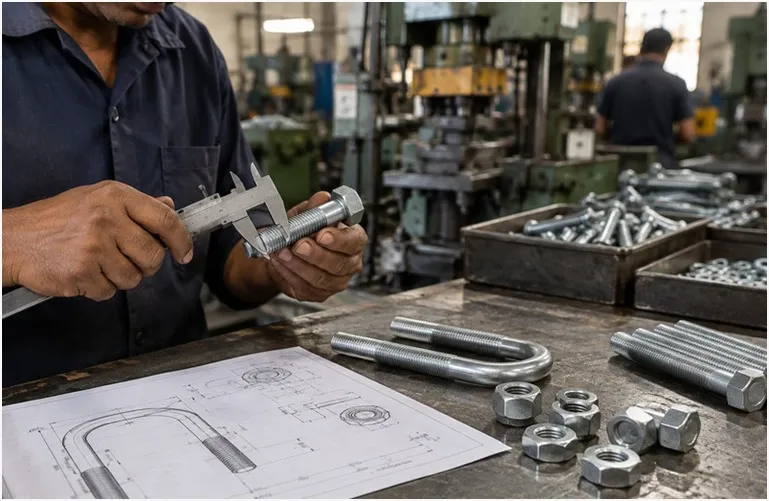
Many customers need more than the fastener that joins two components. A fastening project may also require a slotted bracket, formed plate, clamp support or bent metal profile. Canco Fasteners has been developing additional fabrication capabilities to support selected sheet-metal requirements alongside its industrial fastening portfolio.
As of this update, the company has ordered an 8-foot press brake and an 8-foot shearing machine. Installation, commissioning, validated material capacity and commercial production availability must be confirmed before customers are promised output from this equipment.
Why bending and cutting matter to an OEM buyer
A straightforward bracket may require cutting a sheet blank, bending it to an approved angle, producing holes or slots by a separate process, adding a finish and checking the completed geometry. Coordinating these steps with the fasteners that join the assembly can simplify technical communication for suitable orders.
The specific manufacturing route depends on material, thickness, bend radius, tooling, tolerances and quantity. A press brake does not automatically produce every bracket, and a shear does not create finished pierced features.
The information a sheet-metal RFQ should include
Buyers should provide a 2D dimensioned drawing and, where available, a 3D model. State material grade, sheet thickness, blank size, bend angle, inside bend radius, direction of rolling where important, hole/slot dimensions, surface finish and quantity. If a bracket mates with Canco anchors, provide the anchor dimensions and assembly layout as well.
Critical dimensions should be identified clearly. A bend angle with no tolerance or a hole position referenced to an undefined edge is a common source of avoidable quotation questions.
Distinguish prototype feasibility from production capability
Until the equipment is installed, tested and accepted, Canco should describe planned capabilities as upcoming rather than already operational. Once commissioned, trial parts can establish which material thicknesses, bend geometries and tolerance levels are repeatable. Stainless steel and aluminum require different process considerations from mild steel.
The company should publish validated capacities only after testing representative materials and confirming tooling limits, machine condition and quality requirements.
A potential fit with Canco’s existing strengths
Canco already supports anchors, clamps, fixing hardware and OEM components through its declared product and partner-manufacturing scope. Adding internal cutting and bending may broaden the range of coordinated solutions it can quote, but the feasibility of a particular assembly must still be reviewed on its own merits.
For an American buyer, the immediate opportunity is to send a drawing and discuss future requirements rather than assume a finished manufacturing capability is available today.
Request a technical review: Contact Canco (https://www.cancofasteners.com/contact) with sheet-metal drawing, grade, thickness, finish and volume.
Publication check: Management must confirm installation status, exact machine specifications and release date. Replace the illustrative image with photographs of Canco's installed equipment when available.