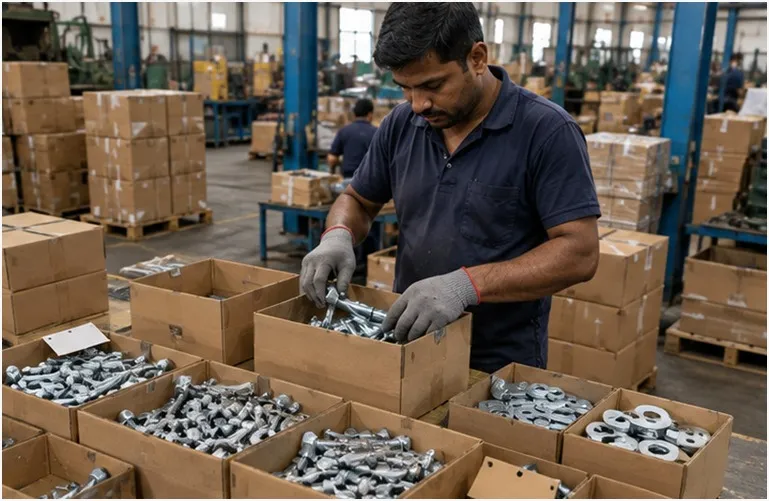
Custom fasteners often pass through a deceptively simple sequence: drawing, quotation, sample, approval and production. Trouble begins when the word approved means different things to the buyer and manufacturer. For an American OEM, approving the appearance of a sample is not the same as approving its material, dimensions, coating and performance.
Canco Fasteners handles made-to-drawing and OEM enquiries. A disciplined sample plan helps both parties establish what will be accepted before the first commercial batch.
Agree on the purpose of the sample
A feasibility sample might be produced to confirm shape and assembly fit. A production-representative sample should demonstrate the intended process and agreed material and finish. An engineering test sample may need laboratory performance evaluation. These are different objectives and should not be confused in the purchase order.
The RFQ should state whether a sample must be made using the final tooling and production route, how many pieces are needed and which characteristics will be tested.
Specify the measurement report
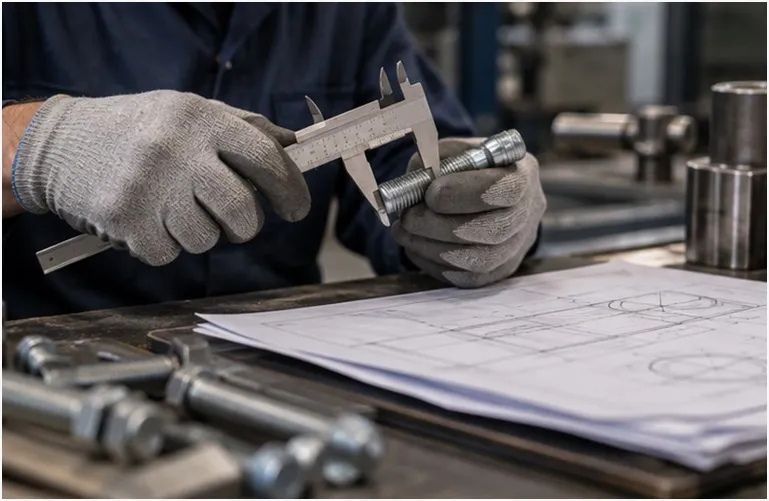
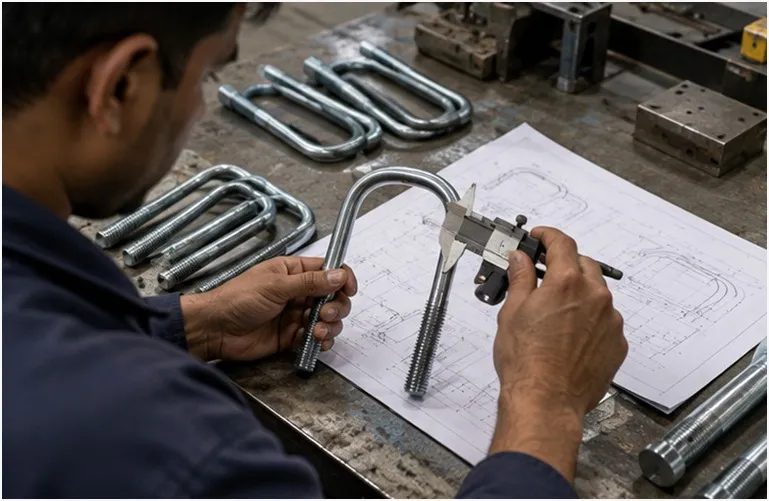
For a custom U-bolt, a dimensional report might include rod diameter, internal width, bend radius, leg length, threaded length and pitch. For an anchor assembly, critical characteristics may include sleeve dimensions, wedge geometry, mating components and thread fit. The relevant drawing decides the list.
Photographs are useful for communicating progress, but an image cannot substitute for measurements where tolerances matter. Ask for actual measured values and the identification of the sample revision.
Decide who pays for tooling and sample logistics
Where dies, machining setups or special tooling are required, the customer and supplier should agree charges and ownership in writing. Sample dispatch cost, international courier charges, testing and expected timeline should be separately explained where relevant. Production tooling may not be justified until commercial volumes are reasonably established.
For sensitive OEM designs, request appropriate confidentiality arrangements before sharing drawings.
Close the approval loop
Once evaluated, return a written approval or marked-up rejection referencing the sample identifier, drawing revision and any deviations. If Canco adjusts a dimension, the customer should confirm whether a new sample or revised report is required. A production PO should not quietly introduce a new requirement without assessing the impact.
What the buyer should send Canco
Provide the latest PDF/DWG drawing, desired sample quantity, critical-to-quality features, application, material and finish, annual forecast and who will approve the sample. Canco can then assess a feasible route and define the commercial terms for a specific project.
Start sample development: Contact Canco Fasteners (https://www.cancofasteners.com/contact) and attach the drawing and acceptance checklist.
Quick buyer questions
Can a 3D-printed mockup be a production sample? It may demonstrate fit, but usually not production metal properties or process capability.
Do samples confirm recurring quality forever? No. Define ongoing lot inspections and change control.
Should testing be independent? Where an application or contract requires it, specify the test method and acceptable laboratory early.